
Why Hands-On Workshops Make Learning Better
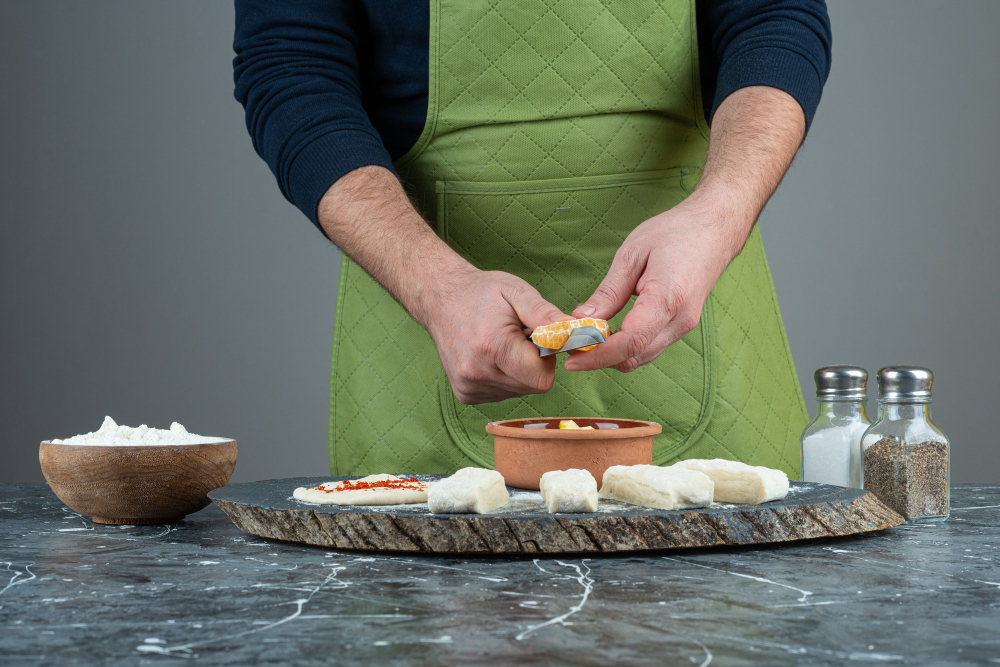
Learning by doing is one of the most effective ways to build confidence and develop new skills. Hands-on workshops provide an engaging environment where participants can actively practice rather than simply observe. Learning Through Experience Practical learning helps participants retain information more effectively. Benefits of Active Participation Improved skill development Greater confidence Enhanced memory retention Better problem-solving abilities Immediate Feedback Instructors can provide guidance and corrections in real time. Why Feedback Matters Participants learn faster when they can immediately apply expert advice. Building Confidence Successfully completing tasks helps learners feel capable and motivated. Learning Together Group workshops create opportunities for collaboration and connection. Social Benefits Meeting new people Sharing experiences Teamwork and communication Building community Creating Memorable Experiences Hands-on learning often becomes a memorable activity that participants enjoy long after the workshop ends. More Than Just a Class Workshops combine learning, creativity, and meaningful experiences in a way traditional classroom settings often cannot. Experience It Yourself Join one of our interactive workshops and discover how hands-on learning can transform the way you learn and create.
Understanding Dough The Basics
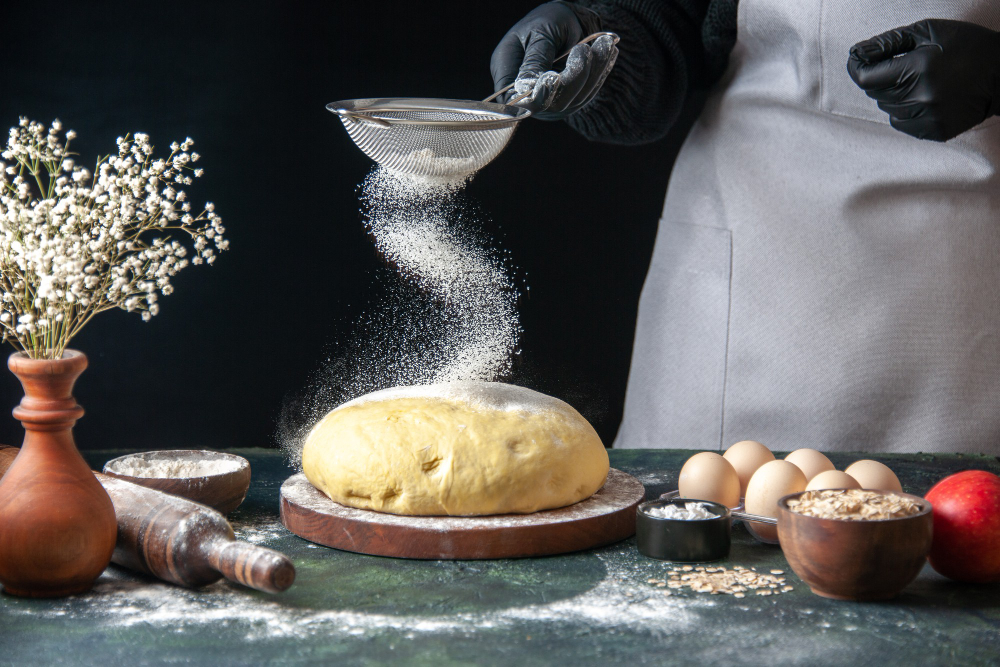
Dough is the foundation of countless baked goods, from artisan breads to pastries and pizzas. Understanding how dough works helps bakers achieve better results. The Main Components of Dough Every dough starts with a few essential ingredients. Core Ingredients Flour Water Salt Yeast or starter What is Gluten? Gluten is a protein network that develops when flour and water are combined. Why Gluten Matters It provides structure, elasticity, and strength to dough. Hydration Levels The amount of water in dough affects texture and handling characteristics. Different Types of Dough Not all dough behaves the same way. Examples Bread dough Pizza dough Pastry dough Sweet enriched dough Fermentation and Flavor Fermentation allows yeast or sourdough cultures to develop flavor and texture. Learning Through Practice Working with different doughs builds confidence and helps bakers understand how ingredients interact. Master Dough Techniques Hands-on workshops provide the best way to learn dough handling, shaping, and fermentation techniques.
Fun Baking Activities to Do with Your Kids
Baking with children is a wonderful way to create memories, teach valuable skills, and encourage creativity in the kitchen. Benefits of Baking Together Children learn patience, teamwork, and basic cooking skills while having fun. Educational Benefits Counting and measuring Following instructions Problem solving Creativity Easy Recipes for Kids Choose simple recipes that allow children to participate safely. Popular Options Cookies Cupcakes Pizza dough Muffins Assign Age-Appropriate Tasks Younger children can mix ingredients while older kids can help measure and decorate. Make It Fun Focus on enjoying the process rather than achieving perfection. Creative Decorating Ideas Allow children to personalize their creations with colorful toppings and decorations. Creating Lasting Memories The conversations and laughter shared during baking often become the most memorable part of the experience. Join a Parent & Child Workshop Our family-friendly workshops are designed to help parents and children learn, create, and bond together.
Beginner’s Guide to Baking Cupcakes

Cupcakes are one of the easiest and most rewarding baked treats for beginners. With a few simple techniques, anyone can create soft, fluffy cupcakes topped with beautiful frosting. Start with the Right Ingredients Using quality ingredients creates better flavor and texture. Basic Cupcake Ingredients Flour Butter Sugar Eggs Milk Baking powder Measure Accurately Baking is a science. Accurate measurements ensure consistent results every time. Common Measuring Mistakes Packing flour too tightly can result in dry and dense cupcakes. Use Room Temperature Ingredients Butter, eggs, and milk blend more evenly when brought to room temperature. Mix Properly Overmixing can develop too much gluten, leading to tougher cupcakes. Achieving the Perfect Batter Mix until ingredients are combined but avoid excessive stirring. Bake at the Correct Temperature Preheating your oven is essential for even baking. Signs Cupcakes are Done Light golden color Spring back when touched Toothpick comes out clean Cooling Before Frosting Allow cupcakes to cool completely before decorating. Decorating Tips Use piping bags and simple decorating techniques to create professional-looking cupcakes. Keep Practicing Every batch helps build confidence and skill. Before long, you’ll be creating beautiful cupcakes for family and friends.
The Story Behind Traditional Kueh

Traditional kueh is more than a delicious treat—it represents generations of heritage, culture, and family traditions. These colorful desserts have been enjoyed throughout Southeast Asia for centuries and remain an important part of Singapore’s food identity today. What is Kueh? Kueh refers to a wide variety of bite-sized snacks and desserts made using ingredients such as rice flour, coconut milk, palm sugar, and pandan leaves. Popular Types of Kueh Kueh Lapis Ondeh Ondeh Ang Ku Kueh Kueh Salat Kueh Dadar The Peranakan Influence Many of Singapore’s most beloved kueh recipes originated from Peranakan culture, which combines Chinese and Malay culinary traditions. A Blend of Cultures Peranakan cuisine is known for its vibrant colors, unique flavors, and intricate preparation techniques passed down through generations. The Importance of Family Recipes Many kueh recipes are family treasures shared from grandparents to younger generations during celebrations and gatherings. Traditional Ingredients Kueh making relies heavily on natural ingredients that create distinctive flavors and textures. Key Ingredients Pandan leaves Coconut milk Palm sugar Rice flour Tapioca flour Natural Colors and Flavors Many traditional recipes use natural coloring from pandan, butterfly pea flowers, and other local ingredients. Why Kueh Remains Popular Today Despite modern desserts becoming increasingly popular, kueh continues to hold a special place in Singaporean culture. A Connection to Heritage Making and sharing kueh helps preserve cultural traditions and creates meaningful connections between generations. Keeping Traditions Alive Workshops and community events play an important role in teaching younger generations how to make these cherished treats. Experience Kueh Making Yourself Join a traditional kueh-making workshop and discover the techniques, stories, and heritage behind these iconic Singaporean desserts.
5 Tips for Baking the Perfect Sourdough Bread
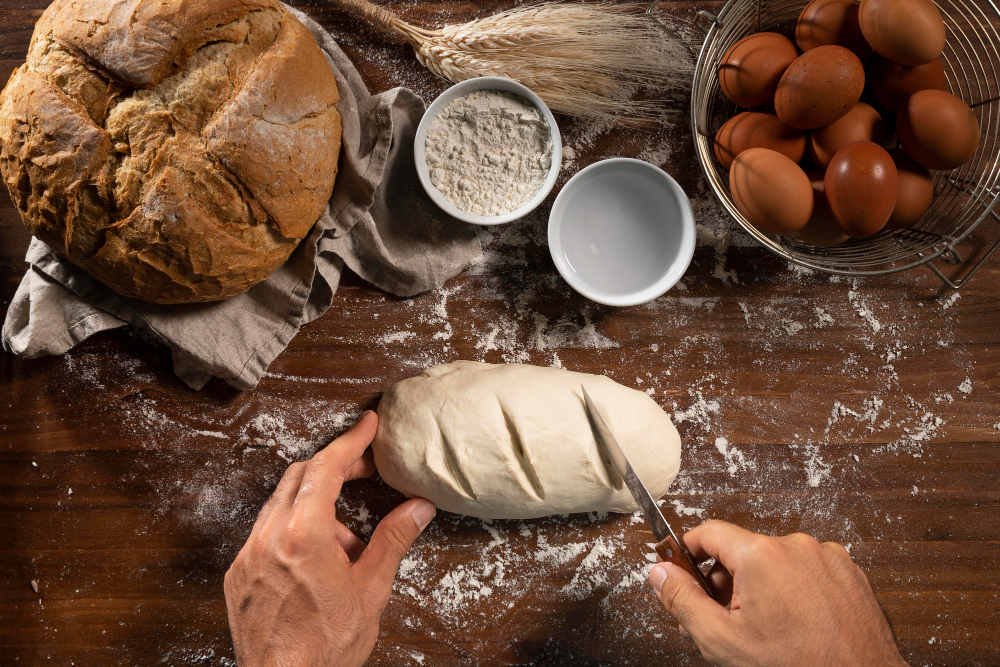
Sourdough bread has become one of the most loved types of artisan bread, known for its crisp crust, chewy texture, and rich flavor. While baking sourdough may seem intimidating at first, a few simple techniques can dramatically improve your results. Whether you’re a beginner baker or looking to refine your skills, these tips will help you create a beautiful loaf every time. 1. Start with a Healthy Sourdough Starter Your starter is the heart of your sourdough bread. A strong and active starter helps create better fermentation, flavor, and rise. How to Know Your Starter is Ready It doubles in size within 4–8 hours after feeding. It has a pleasant tangy aroma. It passes the float test when placed in water. Common Starter Mistakes Using an underfed starter often leads to dense bread with poor oven spring. Feed your starter consistently and use it when it’s at peak activity. 2. Use High-Quality Ingredients Sourdough bread relies on very few ingredients, which means quality matters. Essential Ingredients Strong bread flour Filtered water Sea salt Active sourdough starter Why Flour Choice Matters Higher protein flour develops stronger gluten, helping the dough maintain structure and create an airy crumb. 3. Don’t Rush Fermentation Fermentation develops flavor and texture. Giving your dough enough time to ferment properly is one of the biggest secrets to great sourdough. Bulk Fermentation Tips Allow the dough to rise until it becomes noticeably airy and slightly jiggly. The exact timing depends on room temperature. Cold Proofing Benefits Refrigerating your dough overnight enhances flavor and makes scoring easier before baking. 4. Master Stretch and Folds Instead of kneading heavily, sourdough benefits from stretch-and-fold techniques. Benefits of Stretch and Folds Builds gluten strength Improves dough structure Creates a lighter crumb Enhances dough elasticity Recommended Schedule Perform a series of stretch-and-folds every 30 minutes during the first few hours of fermentation. 5. Create Steam While Baking Steam helps produce a crispy crust and allows the bread to expand fully during the first stages of baking. Methods for Creating Steam Bake in a Dutch oven. Use a baking stone with a steam tray. Spray water inside the oven carefully. When to Remove Steam After the initial 20 minutes of baking, remove the lid or steam source to allow the crust to brown beautifully. Final Thoughts Perfect sourdough bread comes from patience, practice, and understanding the fermentation process. Each loaf teaches something new, and with these tips you’ll be well on your way to creating bakery-quality bread at home. Ready to Learn More? Join one of our hands-on bread baking workshops and discover the techniques that professional bakers use to create artisan sourdough from scratch.