
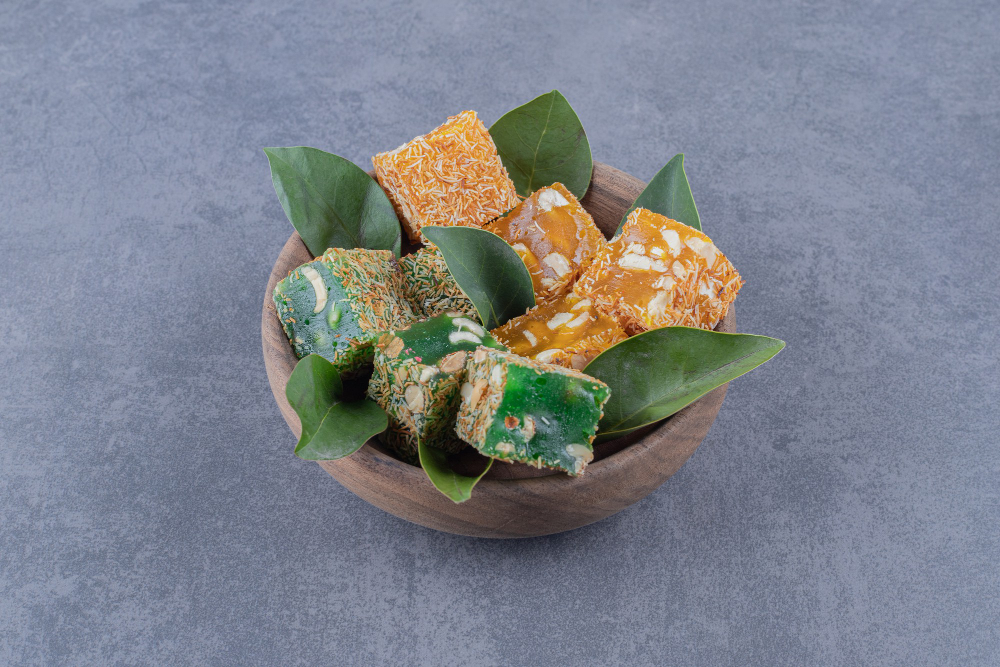
Traditional kueh is more than a delicious treat—it represents generations of heritage, culture, and family traditions. These colorful desserts have been enjoyed throughout Southeast Asia for centuries and remain an important part of Singapore’s food identity today.
What is Kueh?
Kueh refers to a wide variety of bite-sized snacks and desserts made using ingredients such as rice flour, coconut milk, palm sugar, and pandan leaves.
Popular Types of Kueh
- Kueh Lapis
- Ondeh Ondeh
- Ang Ku Kueh
- Kueh Salat
- Kueh Dadar
The Peranakan Influence
Many of Singapore’s most beloved kueh recipes originated from Peranakan culture, which combines Chinese and Malay culinary traditions.
A Blend of Cultures
Peranakan cuisine is known for its vibrant colors, unique flavors, and intricate preparation techniques passed down through generations.
The Importance of Family Recipes
Many kueh recipes are family treasures shared from grandparents to younger generations during celebrations and gatherings.
Traditional Ingredients
Kueh making relies heavily on natural ingredients that create distinctive flavors and textures.
Key Ingredients
- Pandan leaves
- Coconut milk
- Palm sugar
- Rice flour
- Tapioca flour
Natural Colors and Flavors
Many traditional recipes use natural coloring from pandan, butterfly pea flowers, and other local ingredients.
Why Kueh Remains Popular Today
Despite modern desserts becoming increasingly popular, kueh continues to hold a special place in Singaporean culture.
A Connection to Heritage
Making and sharing kueh helps preserve cultural traditions and creates meaningful connections between generations.
Keeping Traditions Alive
Workshops and community events play an important role in teaching younger generations how to make these cherished treats.
Experience Kueh Making Yourself
Join a traditional kueh-making workshop and discover the techniques, stories, and heritage behind these iconic Singaporean desserts.